



How To Choose Window Tint Percentage For Your Vehicle?
12-Nov-2025
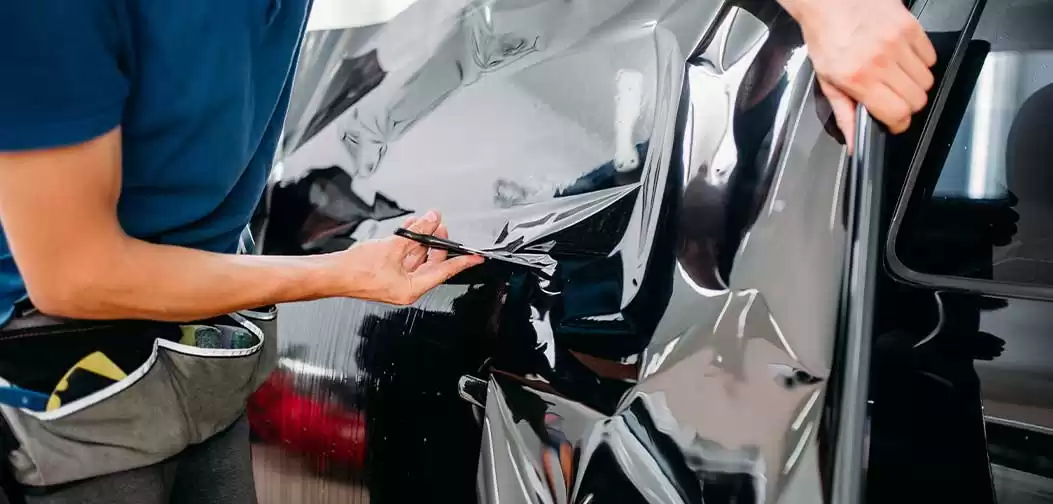
Modern window tinting offers more than just a cool look – it protects you from harsh sunlight while adding style. Tinted films can block up to 99% of harmful UV and infrared rays, keeping the cabin cooler and reducing glare on sunny days. For example, a car with properly tinted windows will stay significantly cooler inside in summer. Tinting also provides privacy by obscuring the view into your car (hiding valuables from prying eyes), and a sleek, uniform window shade can make any vehicle look sportier. When choosing a tint level, consider protection and style alongside safety and the law – very dark tints reduce visibility at night, so balance is key.
Key Factors When Picking a Tint Percentage
- UV & Heat Protection: A good tint blocks UV rays and infrared light. Darker films generally block more heat and UV. In sunny Brampton summers, even a moderate tint (around 50%) can noticeably cool your car.
- Glare Reduction: Tinting cuts glare from bright sunlight or headlights, making driving safer. More tint gives greater glare reduction, which can be helpful for long commutes or night-time driving.
- Privacy & Security: Darker tints shield the interior from outside view. If you often leave items in your car or just enjoy privacy, a lower Visible Light Transmission (VLT) percentage (darker tint) might be appealing.
- Visibility & Safety: Very dark tints can hinder night-time visibility. If you frequently drive at night or in poor weather, avoid extreme tint levels on front windows for better safety.
- Appearance & Style: Many drivers love the “blacked-out” look of dark tints. Light tints (70% VLT or higher) have a subtler effect, while dark tints (10–30% VLT) make windows look almost opaque.
- Local Laws: Always follow Ontario’s tint regulations (see below). Complying means picking a tint level that is legal for your vehicle’s windows.
What Does Tint Percentage Mean?
Window tint is rated by the percentage of visible light it allows through (Visible Light Transmission, or VLT). For instance, a 20% tint means 20% of light passes through the film and 80% is blocked. Conversely, 80% tint (often called 20% shade) means most light passes and only 20% is blocked. In practical terms:
- 5–20% VLT (“Limo Tint”): Extremely dark. Very little light passes. Windows appear almost black from outside. This level gives maximum privacy and heat/UV blocking, but severely limits visibility at night.
- 30–50% VLT: Medium-dark. A popular compromise, letting some light in while still providing good sun protection. For example, a 35% VLT tint is often chosen for balancing visibility and shading.
- 50–70% VLT: Light tint. Windows are noticeably tinted but still quite clear. This provides modest glare reduction and privacy, while allowing plenty of light. A 70% VLT tint means only 30% of light is blocked.
- 70–100% VLT (very light to no tint): Very little to no darkness. These levels have minimal effect on appearance or sun-blocking.
In short, lower VLT% = darker tint (less light in) and higher VLT% = lighter tint. Very low VLTs look dramatic but require caution due to visibility and legal limits.
Common Tint Levels and Usage
- Very Dark Tints (5–20% VLT): These offer maximum privacy and UV protection. People use them on rear windows or SUVs to block sunlight. However, such dark tints on front windows will typically break Ontario law and make night driving difficult.
- Medium Tints (30–50% VLT): A good middle ground. For example, 35% VLT (65% shade) is a common choice – it darkens the glass noticeably but still lets a fair amount of light through. Many car owners find around 35–50% VLT gives a sporty look with ample sun protection and still decent visibility.
- Light Tints (50–70% VLT): These are subtle. A 70% VLT tint (30% shade) is almost clear. It slightly cuts glare while keeping visibility high. Light tints are often used on front door windows to meet legal requirements, or on any window if only a hint of shade is desired.
Choosing the “ideal” percentage depends on your needs. If privacy and maximum UV-blocking are your priority (and you plan to only tint the rear windows), you might pick a low VLT like 20–30%. If you want good visibility and just a bit of glare reduction, go lighter (50–70% VLT). Remember: front windows in Ontario usually require very light tints (see next section).
Ontario’s Window Tinting Laws (Brampton & Beyond)
Ontario law is very specific about window tinting. In July 2016 the Highway Traffic Act was updated: no aftermarket tint is allowed on the windshield or the front driver/passenger windows. In practice, this means:
- Windshield: No added tint anywhere except possibly a thin “sun strip” at the very top (limited to 75 mm below the top).
- Front Side Windows: Must allow at least 70% of light in (i.e. maximum 30% tint). In other words, you need very light film here if any. Anything darker is illegal under the current law.
- Rear Side Windows & Rear Window: No darkness limit. You can legally choose any tint percentage on the back side windows or back windshield. This is where drivers typically go darker for privacy and UV protection.
- Older Vehicles: The 2017 rule applies only to vehicles manufactured after Jan 1, 2017. Cars made before then with dark tints installed earlier are “grandfathered” – they don’t have to change existing tint levels. But if you replace a tint, the new one must follow the law.
Violating these rules can lead to fines. The HTA explicitly bans any tint that “substantially obscures the interior” of the driver’s compartment. In practice, this means stick to ≥70% VLT on the front windows. Remember: the law’s aim is to keep drivers visible to police and ensure the driver has a clear view.
Professional Tinting in Brampton
Because the rules are strict and installation quality matters, it’s best to use a professional. Refresh Auto Care in Brampton offers expert window tinting that meets Ontario regulations. Our technicians can advise you on the right VLT for each window (e.g. very light tint on front doors, darker tint on rears) to give you the look and protection you want legally. As one industry guide notes, knowing and following the law is the first step to a great tint job.
In the Greater Toronto Area, Refresh Auto Care’s trained staff will apply high-quality, durable film and ensure your car still looks clean and sleek. Whether you want maximum heat and UV blocking or just a modest shade, we’ll match you with the best percentage. Contact Refresh Auto Care today to discuss tint options for your vehicle and stay cool and compliant on the road.
Frequently Asked Questions (FAQs)
1. What is the best window tint percentage for cars in Ontario?
The best tint percentage depends on your goal. For most Ontario drivers, 35% VLT offers a great balance between privacy, heat reduction, and visibility. However, remember that front windows must allow at least 70% light to comply with Ontario law.
2. Is window tinting legal on front windows in Brampton, Ontario?
Yes — but only light tinting is legal. Ontario law requires at least 70% VLT on front driver and passenger windows. This means you can only apply a very light film. Anything darker can lead to fines.
3. Can I tint my windshield in Ontario?
No. The windshield cannot be tinted, except for a narrow 75 mm (3-inch) sun strip along the top. This small strip helps reduce glare from sunlight while staying within legal limits.
4. How dark can I tint my rear windows and back windshield?
You can tint the rear side windows and rear windshield as dark as you like — there’s no legal VLT limit for those areas. Many car owners choose 20%–35% VLT on the rear for privacy and UV protection.
5. Does window tint reduce heat inside the car?
Yes. High-quality tint films can block up to 99% of UV rays and a large portion of infrared heat, keeping your car cooler and protecting your interior from sun damage.
6. What happens if my car tint is too dark?
If your front windows are darker than Ontario’s legal limit, police can issue fines or require removal. A tint that “substantially obscures the interior” of the car violates the Highway Traffic Act.
7. Can I get my old car’s tint replaced legally?
Yes. Older vehicles (manufactured before 2017) with factory-installed dark tints are “grandfathered in.” But if you replace the tint, the new film must meet current legal standards — meaning light front tints only.
8. How long does professional tinting take?
At a professional shop like Refresh Auto Care Brampton, a full vehicle tint usually takes 2–3 hours, depending on vehicle size and film type. You should avoid rolling down windows for 48 hours after installation.
9. How long does car window tint last?
Quality window tint films typically last 5 to 10 years, depending on exposure to sunlight, installation quality, and film brand. Ceramic and carbon tints last the longest without fading.